Kullanıcı verilerini koruma altına almak için en gelişmiş şifreleme sistemlerini kullanan bahsegel giriş, gizliliğe önem veren oyuncular için güvenli bir tercihtir.

Kullanıcılarına özel ödül ve geri ödeme programlarıyla bahsegel kazanç sağlar.

Kumarhane deneyimi arayanlar için bahsegel sayfası geniş fırsatlar sunuyor.

Slotlarda kullanılan semboller genellikle tema ile bağlantılıdır; pinco giriş bu görselleri kaliteli şekilde sunar.

Her zaman şeffaf politikalarıyla bilinen bettilt güvenilir bir bahis ortamı sağlar.

Starbucks Is Opening a Store in Texas Made With a 3D Printer

[ad_1]

Starbucks’ first 3D-printed coffee shop is opening in Brownsville, Texas, next week.

The 1,400-square-foot building shell has been 3D-printed, meaning that a massive 3D printer mechanically piped layer after layer of a concrete mixture to build the complete exterior structure. The location will only handle drive-thru and mobile orders and is set to open on April 28.

A Texas Department of Licensing and Regulation filing shows that the location cost nearly $1.2 million to build.

Starbucks told the Nation’s Restaurant News that it was creating the shop in partnership with PERI 3D Construction, a company that has completed 15 projects in the U.S. and Europe since its founding in 2015. Past projects include an apartment building in Lünen, Germany, constructed in 2023, and a home for Habitat for Humanity in Tempe, Arizona, created in 2021.

Texas is no stranger to 3D-printed projects. Construction company Icon is finishing the final properties of a 3D-printed community of homes in Georgetown, Texas. The 1,500 to 2,000 square foot homes range from $450,000 to $600,000. Icon has reportedly sold a quarter of the 100 homes in the community so far.

Starbucks’s entry into 3D-printed structures arrives as the company undergoes a turnaround plan. Since Starbucks CEO Brian Niccol took over the role in September 2024, Starbucks has implemented sweeping changes at its stores to turn around declining sales from cutting 30% of its menu in the U.S. by the end of the year and giving baristas strict time limits on how quickly orders should be fulfilled (in-store and drive-thru orders should be ready within four minutes).

Starting May 12, the coffeehouse is mandating a new, strict dress code for baristas at all stores consisting of khaki, black, or blue denim bottoms and a solid black shirt. Starbucks workers are also now required to add a personal touch to orders by writing down customer names with a Sharpie on cups.

Related: Starbucks’ New CEO Can Make Up to $113 Million His First Year

Starbucks reported in its most recent earnings, for the first quarter of 2025, that U.S. same-store sales declined for the fourth consecutive quarter, falling by 4%. Foot traffic to U.S. Starbucks stores fell by 8% during the quarter. Global net revenue was $9.4 billion, flat year-over-year.

“To be clear, these results have room for improvement, but I’m confident the disciplined investments we’re making in labor, marketing, technology, and stores this fiscal year will help stabilize the business and position Starbucks for future growth,” Niccol stated on the January earnings call.

Starbucks is set to report its second-quarter earnings after market close on Tuesday, April 29.

Related: Starbucks CEO Tells Corporate Employees to ‘Own Whether or Not This Place Grows’

[ad_2]

Source link

Saying ‘Thank You’ to ChatGPT Costs Millions in Electricity

[ad_1]

It costs millions of dollars to be polite to AI.

OpenAI CEO Sam Altman confirmed last week that OpenAI’s electricity bill is “tens of millions of dollars” higher due to people being polite to ChatGPT.

Last week, an X user posted: “I wonder how much money OpenAI has lost in electricity costs from people saying ‘please’ and ‘thank you’ to their models.” The post has been viewed 5.7 million times as of press time.

Altman replied the following day: “Tens of millions of dollars well spent—you never know.”

A survey released in February by the publisher, Future, found that 67% of people who use AI in the U.S. are polite to the chatbot. Nearly one out of five respondents of that group (18%) stated that they say “please” and “thank you” to AI to protect themselves in case of a possible AI uprising. The remaining 82% said they were polite simply because it was “nice” to be that way to anyone, AI or human.

Being polite to AI may serve a functional purpose. Microsoft design director Kurtis Beavers noted in a Microsoft blog post that “using polite language sets a tone for the response” from AI. In other words, when you’re polite to AI, it is likely to respond in kind.

Related: New Google Report Reveals the Hidden Cost of AI

However, that politeness has an energy cost. According to a May 2024 report from The Electric Power Research Institute (EPRI), it takes 10 times more energy to ask ChatGPT a question or send it a comment than it takes to run a standard Google search without AI overviews summarizing results at the top of a search page.

Researchers at financial advice site BestBrokers found that ChatGPT needs 1.059 billion kilowatt-hours of electricity on average every year. That would amount to an annual expenditure of about $139.7 million on energy costs alone for the AI chatbot.

AI also requires substantial amounts of water to cool the servers that power it. Research from the University of California, Riverside shows that ChatGPT requires up to 1,408 milliliters of water, or about three 16.9-oz bottles worth, to generate a 100-word email. It takes 40 to 50 milliliters of water to generate a three-word “You are welcome” response from ChatGPT.

Related: Is ChatGPT Search Better Than Google? I Tried the New Search Engine to Find Out.

Meanwhile, OpenAI can afford the tens of millions of dollars in AI electricity costs. Earlier this month, the startup raised $40 billion at a valuation of $300 billion in the biggest private tech deal ever recorded. OpenAI noted at the time that it had 500 million global weekly users, up from 400 million in February.


[ad_2]

Source link

Inspired by the Masters? Bring Your Work Hustle to the Golf Course with Mind Caddie, Now $99.99.

[ad_1]

Disclosure: Our goal is to feature products and services that we think you’ll find interesting and useful. If you purchase them, Entrepreneur may get a small share of the revenue from the sale from our commerce partners.

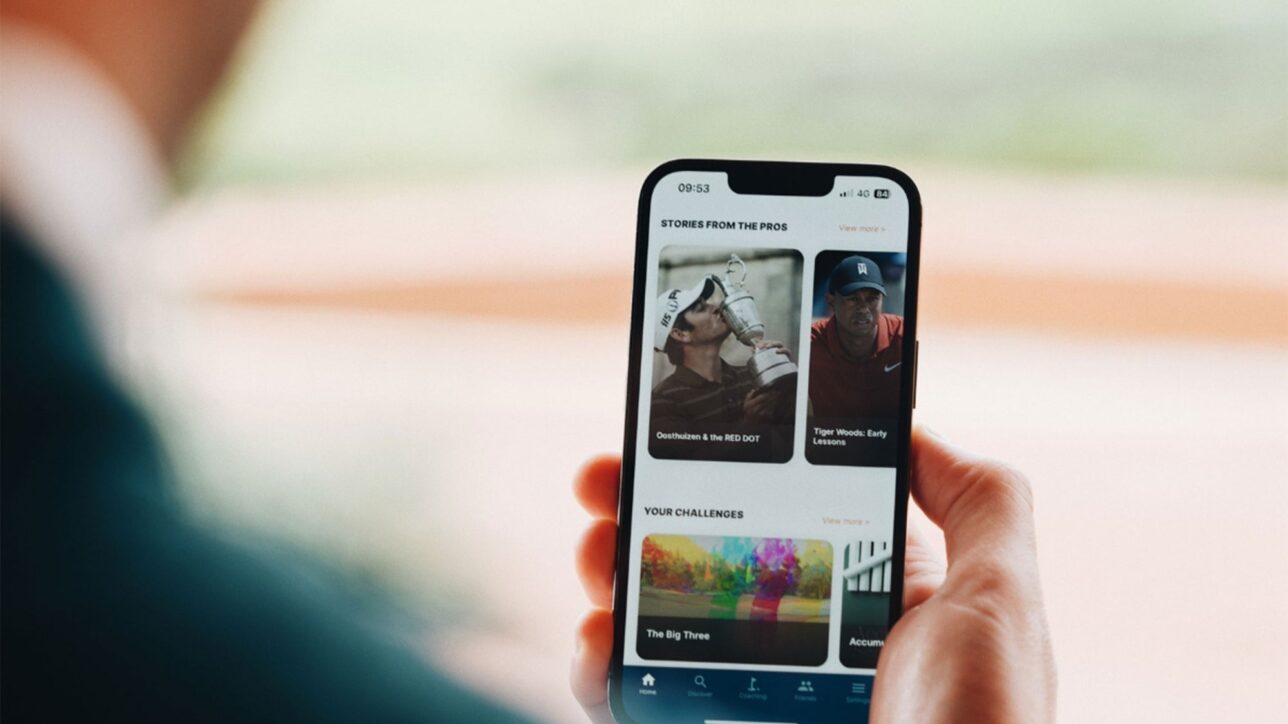
Take the same focus and determination that makes you a shark in the office out on the golf course when you use Mind Caddie to up your mental golf game. Packed with short audio lessons, guided exercises, and performance tracking, the Mind Caddie app helps you hone in on the mindset that makes you a successful golf player. This usually $209 app is now just $99.99, so don’t miss this undervalued investment in your success.

On the course and off

Getting a round in with your colleagues is about more than seeing who makes it under par. It’s the time that puts a social face on your business connections. It’s the much-needed movement in a week spent sitting before screens and reports. It can also be a mental exercise in focus and confidence when using Mind Caddie for performance coaching on and off the course.

Golf is as mental as it is physical. When you tap into the Mind Caddie app’s proven coaching methods from Karl Morris — a performance coach for Ryder Cup captains and PGA Tour, European Tour, PLGA, and Ladies European Tour winners — you learn the tools to help yourself achieve success. The program is structured in a way that helps you track your improvements and build mental resilience, all backed by scientific study.

Using the app to improve your game

You’ve already tried tutorials and swapping clubs. Now it’s time to use the simplest tool you’ve got: your listening ears.

Listen to the short audio golf lessons to practice mental strategies. Use guided exercises to build confidence and focus. Follow the step-by-step course to develop yourself as a player. Then, track your performance — what gets measured gets improved, after all. You’ll see the proof in your own performance increases. Transform your mind, transform your game.

A better golf game is out there, and you can play it for just $99.99 with Mind Caddie, now discounted by 52%.

StackSocial prices subject to change.

[ad_2]

Source link

3vHabits That Made Me Sharper, Stronger and More Successful

[ad_1]

Opinions expressed by Entrepreneur contributors are their own.

There was a time not too long ago when everything looked successful from the outside — company growth, media features, funding rounds. But underneath the wins, I was living a lifestyle that was quietly sabotaging my edge. I had gained weight. I wasn’t going to the gym. I drank wine almost every night. I ate whatever was convenient, often skipping meals or grabbing ultra-processed takeout.

My body was running on junk fuel, and so was my mind. It showed up in the form of burnout, decision fatigue and emotional volatility — especially when dealing with tough negotiations, naysayers and setbacks.

Everything began to change when I flipped the script and made three lifestyle behaviors non-negotiable. Not suggestions. Not goals. Non-negotiables.

These three changes didn’t just improve my health — they sharpened my focus, made me a better leader and gave me the endurance to scale through chaos. Every entrepreneur, no matter their industry, age or stage, should treat these three areas like core business infrastructure. Because if you break down, so does the company.

Related: 5 Health Habits These Successful Entrepreneurs Swear By

1. Work out like it’s a board meeting

Let’s be clear: Working out isn’t about looking good for Instagram. It’s about training your discipline, managing your stress and building stamina for mental warfare.

Top entrepreneurs treat fitness as sacred. Jeff Bezos is known for his transformation post-Amazon CEO — trading in the skinny tech guy image for someone who clearly takes lifting seriously. Mark Wahlberg, an actor and entrepreneur, runs F45 gyms and often shares his grueling 4 a.m. workouts. Even Kevin Hart, who built an entertainment empire, ties his fitness routine directly to his mental sharpness and business resilience.

For me, getting back into daily workouts was humbling at first. The strength wasn’t there, and the discipline had eroded. But within weeks of consistency — whether it was lifting, walking or high-intensity intervals — my clarity returned. I was sleeping better. My moods leveled out. I could deal with stressors head-on without needing a glass of cabernet to decompress.

Science backs this up. A Harvard Medical School study found that regular aerobic exercise improves executive function, which includes decision-making, problem-solving and focus — exactly what we’re paid to be good at.

Entrepreneurship is a sport. Start treating your body like an athlete does.

2. Eat like your decisions depend on it — because they do

The old saying goes, “If you don’t make time for your wellness, you’ll be forced to make time for your illness.” And that’s exactly where most entrepreneurs go wrong.

The culture glorifies 18-hour workdays and fast food lunches as signs of hustle. But that mentality is broken. The truth? Your body is a processing machine, and what you put into it becomes your fuel for thinking, speaking and leading. If you feed it poorly, it breaks down. Fast.

I changed my diet by adopting a flexitarian approach — leaning mostly on vegetables, grains, legumes, fish and occasionally red meat. I didn’t go extreme. I went intentional. That shift alone gave me more energy in the afternoons, less brain fog and zero crashes from sugar or processed carbs. I started reading labels. I stopped pretending “protein bars” were meals. I drank more water and fewer glasses of wine.

Look at Tom Brady — still peak-performing into his 40s because of a clean, disciplined diet. Or Tim Ferriss, who famously follows strict dietary regimens to optimize performance. Even companies like Sweetgreen, Sakara Life and Athletic Greens have built empires catering to high-performers who don’t want to compromise clarity or energy for convenience.

There’s nothing glamorous about burnout-induced hospital visits or running your team from a place of low energy. Entrepreneurs must start thinking of food as strategic fuel.

Related: 12 Ways to Eat Healthy No Matter How Busy You Are

3. Sleep like a pro, not a martyr

One of the dumbest myths in the business world is the glorification of sleep deprivation. You hear it all the time: “I only sleep four hours.” “Sleep is for losers.” “I’ll sleep when I’m dead.”

That kind of thinking will kill your performance — and possibly you, too.

Neuroscience is unequivocal: Seven to eight hours of quality sleep each night is essential for memory consolidation, emotional regulation and cognitive performance. The CDC has declared sleep deprivation a public health epidemic, and for entrepreneurs, it’s even more dangerous.

Research has revealed that during sleep, your brain flushes out toxins that build up during the day. Without adequate sleep, those toxins accumulate and impair function.

Elon Musk famously tweeted about working 120-hour weeks and later admitted it nearly “cost him his mind.” Since then, even he has pulled back and begun advocating for better sleep. Arianna Huffington built an entire movement around sleep culture after collapsing from exhaustion and hitting her head on her desk.

I learned to treat my sleep like my calendar — scheduled, protected and predictable. No screens late at night. No late-night wine. Same bedtime every day, including weekends. The result? Fewer irrational decisions, less emotional reactivity and more strategic thinking in the morning.

Good sleep is a competitive advantage. Use it.

Related: This Is the Sleep Routine That Keeps Top CEOs at Peak Performance

Success isn’t just strategy. It’s physiology.

Too often, we think we need better tactics, better funnels or better venture partners. But more often than not, what we really need is a better body to carry the weight of our ideas.

Fitness. Diet. Sleep.

Those three pillars, when treated with the same intensity and rigor as your next investor pitch or product launch, will give you a mental edge money can’t buy. They’ll make you more calm under pressure, more focused during chaos and more persuasive in every room you enter.

Entrepreneurship is not for the weak. So, stop training your company harder than you train yourself. The ROI on your body will be the greatest investment you ever make.

[ad_2]

Source link

The One Mistake Is Putting Your Brand Reputation at Risk — and Most Startups Still Make It

[ad_1]

Opinions expressed by Entrepreneur contributors are their own.

Most entrepreneurs and business owners understand they need a comprehensive communications strategy to reach their target customers. However, all too many think that only means branding, marketing and advertising and forget to include public relations (PR). In particular, many small businesses and startups neglect this part of the communications equation.

This has always been a mistake, but that’s even more true today. Here, I explain how PR impacts brand credibility and customer trust, as well as how those seemingly ineffable factors connect to your hard revenue numbers.

The problem with investing solely in marketing

Investing only in marketing and ignoring PR is a problem because marketing drives awareness, but PR builds trust — and without trust, awareness doesn’t convert.

One study has put the number of consumers who believe advertisers have integrity at 4%. Customers’ trust in conventional advertising is also plummeting, especially for members of the younger generations. As Wharton Magazine reports, 84% of millennials not only dislike traditional ads but also distrust them.

Research also shows people don’t pay attention to ads and actively avoid them. According to consumer research firm Bulbshare, 63% of Gen Zers use ad blockers, meaning they don’t even see ads online. If they do come across one, 99% say they hit “skip” when given the choice.

In short, today’s consumers are savvy. They know how to follow the money trail and identify conflicts of interest. Indeed, the Content Marketing Institute has found that 80% of corporate decision-makers prefer to glean information from articles that are more objective rather than ads, which are recognized as biased and self-interested.

Meanwhile, today’s consumers increasingly prioritize ethics. B2B services company BusinessDasher explains that 84% of customers weigh companies’ ethics and values when considering a purchase, and 63% say they would like companies to adopt more ethical practices.

For companies that would like to expand their market reach, these statistics send a clear signal. Investing only in advertising and marketing is unlikely to move the needle. To develop a good reputation for your brand, you need to do PR.

Related: How to Make the Most of Your Public Relations

PR: Ethical strategic communications

PR differs from other communication strategies like branding and marketing because it specifically focuses on developing your organization’s positive reputation and earning consumers’ trust. While ads and marketing campaigns may attempt to tell people about the business’s great reputation, good PR shows them. It enables the business and its spokespeople to demonstrate ethical conduct rather than just making claims to this effect.

For instance, while a top PR team will draft and release press releases and media advisories on a company’s behalf, they will also seek out opportunities for the company’s leadership to serve as expert sources in the media. When the public needs help understanding current events and a journalist turns to a company’s spokesperson for expert analysis, the viewers understand that this person and their company are trustworthy. In addition, they come to rely on and appreciate the spokesperson’s valuable advice.

In the course of such an interview, the company’s representative may never even mention their product or service. By demonstrating their willingness to share important information, however, they signal their care for the greater good, their own sterling character and that of their company. This forms positive connotations in viewers’ minds. People come to associate the spokesperson and company with credibility and garner their trust.

Behaving in an ethical manner and showing goodwill tends to be more convincing than merely claiming to be good. This is how strong connections with customers can still be forged despite today’s cynical environment.

Related: How You Can Leverage These PR Strategies to Build Your Company’s Credibility and Trust — Even When Under Attack

How PR contributes to revenue growth

To be clear, PR is not a direct method of boosting sales or generating leads. Instead, it works in the background, burnishing your brand’s reputation and predisposing people to think highly of your company. This can pay off in the end, however.

Take Sears, Roebuck and Co. as an example. When the brand partnered with The Oprah Winfrey Show to provide Christmas gifts for 100 foster children, the results were staggering. After the episode aired, customer surveys showed an 11% jump in positive sentiment toward the brand — and people said they planned to spend 39% more at Sears.

The final impact? That single PR moment helped generate $13 million in new revenue.

In addition, father-daughter co-authors Al and Laura Ries studied 91 launches of new products in their book “The Fall of Advertising and the Rise of PR.” Those campaigns that incorporated PR were more successful than those that only deployed marketing approaches. Indeed, they conclude that PR is a better investment than advertising for most businesses.

In my own experience leading a PR firm, I can attest that campaigns sometimes generate so much new business that clients can’t scale fast enough and have to pause our services while they catch up with demand.

Enter the limelight with PR

Hiring a PR firm, especially one that can show a track record of success in your particular industry, is indispensable to make your brand image shine. This strategic communications approach avoids the common missteps of advertising and marketing while aligning with today’s customers’ preferences for ethical business practices.

For these reasons, more businesses should consider taking PR firms up on their offers of a free consultation call. There’s nothing to lose and the limelight to gain.

[ad_2]

Source link

These Cities Have the Most Affordable Rent in the US: Report

[ad_1]

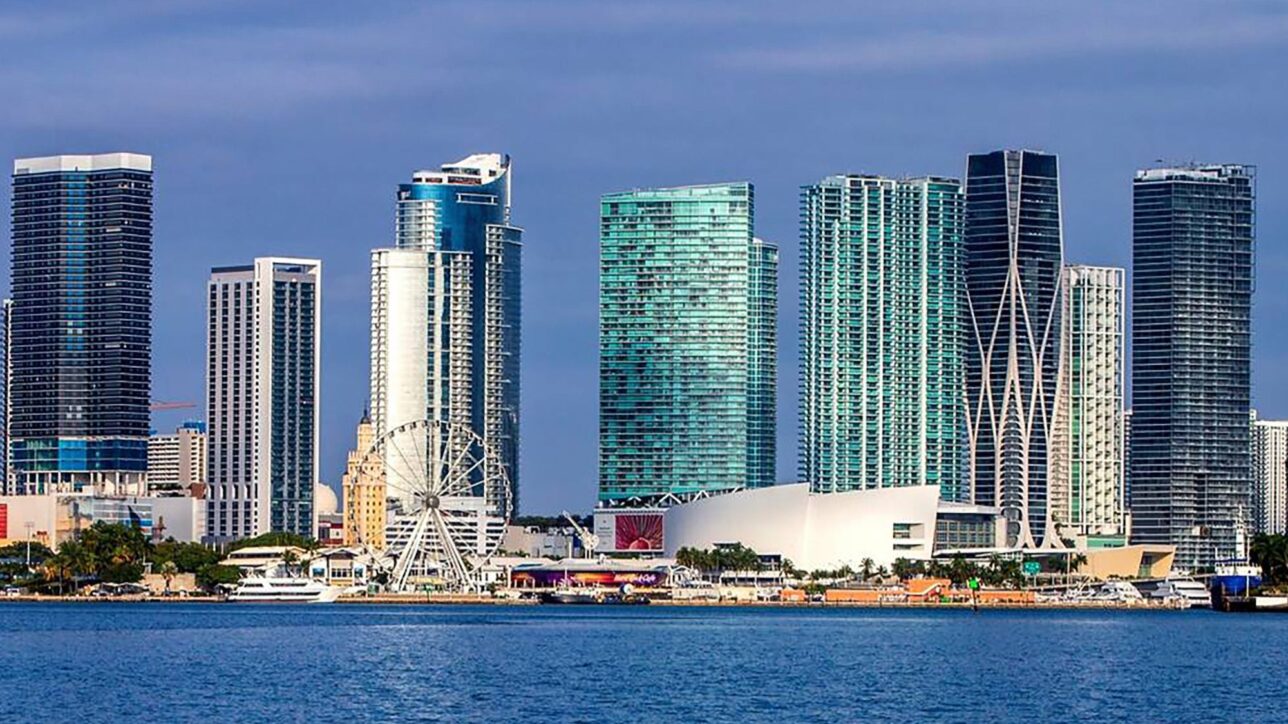
As the cost of rent has increased by more than 50% over the last decade, some popular cities like Miami are becoming less and less affordable.

To find the most affordable cities for renting in the U.S., financial site WalletHub compared the median annual gross rent to the median household income in 182 cities, ranking them from most to least affordable.

Related: Here’s How Much a Family of 4 Needs to Live ‘Comfortably’ in Every U.S. State, According to a New Report

The most affordable city was Bismarck, North Dakota, where the median annual gross rent is around 15.3% of the median annual income. The average salary in Bismarck is $69,989 per year, according to ZipRecruiter. The average rent, meanwhile, is $1,023 per month, per Apartments.com.

The second most affordable city was Sioux Falls, South Dakota. The mean annual gross rent there costs around 16% of the median income. Cheyenne, Wyoming, came in at a close No. 3 — residents spend 16.1% of their earnings on rent in the city.

Cedar Rapids, Iowa, and Fargo, North Dakota, rounded out the top five most affordable.

The bottom of the list featured Glendale, California (No. 178), followed by Detroit, Michigan; New Haven, Connecticut; Newark, New Jersey; and finally, in the last spot (No. 182), Miami, Florida, where residents spend 33.48% of their income on rent.

In Miami, the average salary, according to ZipRecruiter, is $55,183. The average rent is $2,950, per Zillow.

“In the most affordable cities for renters, the median cost of rent is as low as 15% of the median income, compared to more than 33% in the most expensive cities,” said WalletHub Analyst Chip Lupo. “This gives people in the least expensive cities a clear financial advantage; the money they save on rent could go toward their emergency fund or savings for future home ownership.”

View the full list of all 182 cities, here.

Related: Here Are the Best and Worst States for Retirement in 2025, According to a New Report

[ad_2]

Source link

Universal Epic Studios Orlando Opening in May 2025: Photos

[ad_1]

Universal is opening its long-awaited Epic Universe theme park to the public on May 22 in Orlando, Florida. The park was first announced in 2019 and cost around $7 billion to create, per CNBC.

Casandra Matej, CEO of Visit Orlando, told CNBC the new park is “the first major, entirely new theme park in the U.S. in 25 years.” Research seen by the outlet from Sean Snaith, director of the University of Central Florida’s Institute for Economic Forecasting, found that within one year of opening, the new park could generate around $2 billion for Florida and create more than 17,500 new jobs across the country.

At 750 acres, it’s the largest of all of Universal’s properties and features five themed worlds: Celestial Park, Dark Universe, The Wizarding World of Harry Potter – Ministry of Magic, Super Nintendo World, and How to Train Your Dragon – Isle of Berk.

But don’t worry, Harry Potter fans: This is the third Harry Potter-related theme park Universal has in the area. Nearby, Explore Hogsmeade is still open at Universal Islands of Adventure, and Diagon Alley is also open at Universal Studios Florida.

Related: Disney World Is Adding New Attractions and Themed Lands in a Massive Expansion — Here’s What to Expect

In Super Nintendo World, guests with Power-Up Bands can hit the familiar question-mark boxes of the Mario universe, track their Mario Kart score and play drums like Donkey Kong to unveil hidden effects and Easter eggs. (Adrian Ruhi/Miami Herald/Tribune News Service via Getty Images)

Although Epic Universe is less than 10 miles down the road from Walt Disney World, industry experts expect the new park to lift up the entire area, from hotels to restaurants to even more attendance at Disney-branded parks.

“It’s a rising tide that lifts all boats,” Matej said.

There are multiple roller coasters, restaurants, and three new hotels. There are also several boat rides.

Guests ride Stardust Racers, a new dueling roller coaster ride in Celestial Park, during a preview day for Universal Epic Universe on April 5, 2025, in Orlando, Florida. (Patrick Connolly/Orlando Sentinel/Tribune News Service via Getty Images)

The How to Train Your Dragon – Isle of Berk area, at the Epic Universe theme park in Orlando, Florida, US, on Saturday, April 5, 2025. Photographer: Thomas Simonetti/Bloomberg via Getty Images

Atlantic is a waterside, seafood-centric restaurant with a mostly glass exterior meant to resemble a giant aquarium. (Adrian Ruhi/Miami Herald/Tribune News Service via Getty Images)

[ad_2]

Source link

How Businesses Can Fight Financial Instability

[ad_1]

Opinions expressed by Entrepreneur contributors are their own.

Picture this: A young couple working tirelessly to support their family, only to find themselves one unexpected medical bill away from financial ruin. Across the globe, stories like theirs are becoming alarmingly common as financial systems fail to keep pace with today’s economic realities.

From the U.S. facing a $50 trillion savings gap to Europe’s aging population and China’s hidden inequities, the message is clear: We are woefully unprepared for the financial challenges of the future. But where systems falter, businesses can rise. The question is: Will they?

Related: Report: 57% of Americans Cannot Afford a $1,000 Emergency Expense

The problem: Hundreds of trillions of global savings are missing

Globally, financial systems leave individuals, businesses and governments vulnerable to growing economic instability. In the U.S. alone, a $50 trillion savings gap leaves millions without the financial security they need for retirement, emergencies or education. Without action, this gap will continue to grow, forcing many to rely on short-term fixes like high-interest debt instead of building long-term financial stability.

And this is not just a U.S. issue. Europe is grappling with an aging population and outdated systems that can no longer support fiscal resilience. In China, a culture of high savings masks glaring inequities in access to scalable, reliable financial solutions. The challenges may differ across regions, but the root problem remains the same: Savings systems everywhere are outdated and unable to meet the demands of today’s economy.

Governments alone cannot solve this. With fiscal pressures mounting and systemic reform slow-moving, the private sector must step in. This call to action was a central theme at the World Economic Forum in Davos, where I joined industry leaders to explore how businesses can help close the savings gap. The conclusion was clear: Businesses are uniquely positioned to strengthen financial resilience for employees — and in doing so, they can drive long-term stability for both their organizations and society at large.

The savings gap is not just an economic challenge; it’s an opportunity for leadership. The question is no longer whether businesses should act, but how quickly they will rise to the occasion.

From a culture of debt to a culture of savings

Despite advancements in technology, savings and retirement systems remain complex, outdated and inaccessible — particularly for low-income and underserved workers. Today, high-interest debt is easier to access than structured savings programs, creating cycles of financial instability and making it harder for employees to build long-term resilience. Without access to workplace-backed savings options, many workers are forced to rely on credit to cover emergencies, perpetuating financial insecurity.

Employers as change agents

Employers are uniquely positioned to address this challenge. They not only have the ability to provide access to savings mechanisms but also the power to influence financial habits by embedding savings tools into employees’ daily lives. Financial stress is a major threat to business performance: According to Financial Finesse’s Workplace Financial Wellness in America report, 76% of financially stressed employees report a negative impact on their productivity.

However, employers who integrate savings programs into workplace benefits see measurable gains. Research from the National Fund for Workforce Solutions shows companies offering holistic financial wellness programs experience a 43% increase in employee engagement and a 40% boost in productivity — both driven by reduced financial stress. Furthermore, employees with access to structured savings programs are less reliant on high-interest debt, creating a cycle of financial stability rather than insecurity.

This is where employers can make a tangible difference. One of the most effective tools employers can implement is emergency savings accounts, which provide employees with quick, penalty-free access to funds when unexpected expenses arise. Yet, despite their clear benefits, only 21% of companies offer ESAs, even though 60% of employees want them.

Related: 8 in 10 Employees Live Paycheck to Paycheck — How You Can Help Them Break the Cycle

Lessons from the 401(k) revolution

The adoption of 401(k) plans in the United States demonstrates the impact employers can have on financial behavior. As of 2024, 70% of private-sector employees have access to these plans, an increase of 10% over the past decade, driven by initiatives like automatic enrollment and increased matching contributions. While progress has been significant in retirement savings, a comparable effort is now urgently needed for short-term financial security, including emergency savings solutions.

By integrating tools like ESAs into their benefits offerings, businesses can help employees build resilience against unexpected financial shocks. This is not only a win for workers but also for businesses, as financially secure employees are healthier, more focused and more productive.

A clear path forward for employers

Employers can take three immediate steps to address the savings gap and foster financial wellness for their employees:

1. Implement Emergency Savings Accounts (ESAs):

ESAs provide employees with penalty-free access to funds for unexpected expenses. Despite their clear benefits, only 21% of companies currently offer ESAs, though 60% of employees express a desire for them. Employers should prioritize integrating ESAs as a cornerstone of their financial wellness programs.

2. Expand savings accessibility through automation:

Automatic enrollment and contributions have proven effective in increasing participation in 401(k) retirement savings programs. A similar approach can be applied to short-term savings solutions, where employees are automatically enrolled in savings plans with the option to opt out. This encourages participation and builds habits of financial discipline.

3. Broaden financial education:

Financial literacy is critical to empowering employees to make sound decisions about saving and spending. Employers can offer workshops, digital tools and personalized financial counseling to equip workers with the knowledge they need to manage their finances effectively.

A collaborative effort

While employers are a critical link in closing the savings gap, they can’t solve the problem alone. The Employee Benefits Research Institute suggests that governments must take action through smart regulation and incentives that encourage businesses to offer workplace savings programs.

That’s why events like the World Economic Forum matter — where large private businesses and financial institutions come face-to-face with startups doing things differently, and policymakers that are engaged, to explore solutions at the intersection of public and private sector responsibility. We need more global forums that drive collective action and hold leaders accountable for addressing financial insecurity at scale, but the real challenge is ensuring that solutions don’t just exist in theory but are actively implemented where they’re needed most.

Large-scale discussions alone aren’t enough. Real change happens when those are combined with action at the local level, meeting people where they are — through workplace initiatives, community programs and policies that directly impact individuals’ financial lives.

Public-private partnerships are already proving that scalable savings solutions work. Collaborations between financial institutions and employers have led to higher participation in savings programs and better financial well-being for workers. But there is still a long way to go.

Related: 3 Reasons Employers Should Focus on Employee Financial Well-being

The savings gap isn’t just a looming crisis; it’s a call to action. For businesses, the responsibility to address this challenge goes beyond ethical obligation; it’s a competitive advantage. Financially secure employees are more engaged, productive and invested in their work. But beyond profits and performance, businesses have the opportunity to lead a cultural shift — from a society burdened by debt to one built on savings and stability.

It’s time for business leaders to take bold steps and foster a future where financial wellness is the standard, not a privilege. Together — with governments, financial institutions and communities — we can close the gap, strengthen resilience and ensure that every individual has the tools to build a brighter financial future. The future of savings starts now, and it starts with us.

[ad_2]

Source link

The Stock Market Imploded, But This OpenAI Tool Sees It as Opportunity

[ad_1]

Disclosure: Our goal is to feature products and services that we think you’ll find interesting and useful. If you purchase them, Entrepreneur may get a small share of the revenue from the sale from our commerce partners.

The stock market just took a historic nosedive, with the Dow Jones plunging 1,500 points in a single day at the time of writing this. Panic? Sure, for those already invested. But for newbies, it’s a flashing neon sign that says “Buy low.” The only problem? Most people don’t know what to buy.

That’s where an OpenAI-powered stock picker is stepping in—not just to track the chaos but to help first-time investors find stocks worth paying attention to while they’re still down. Sterling Stock Picker is currently $68.99 for a lifetime subscription, down from $486.

Invest in the market with help from AI

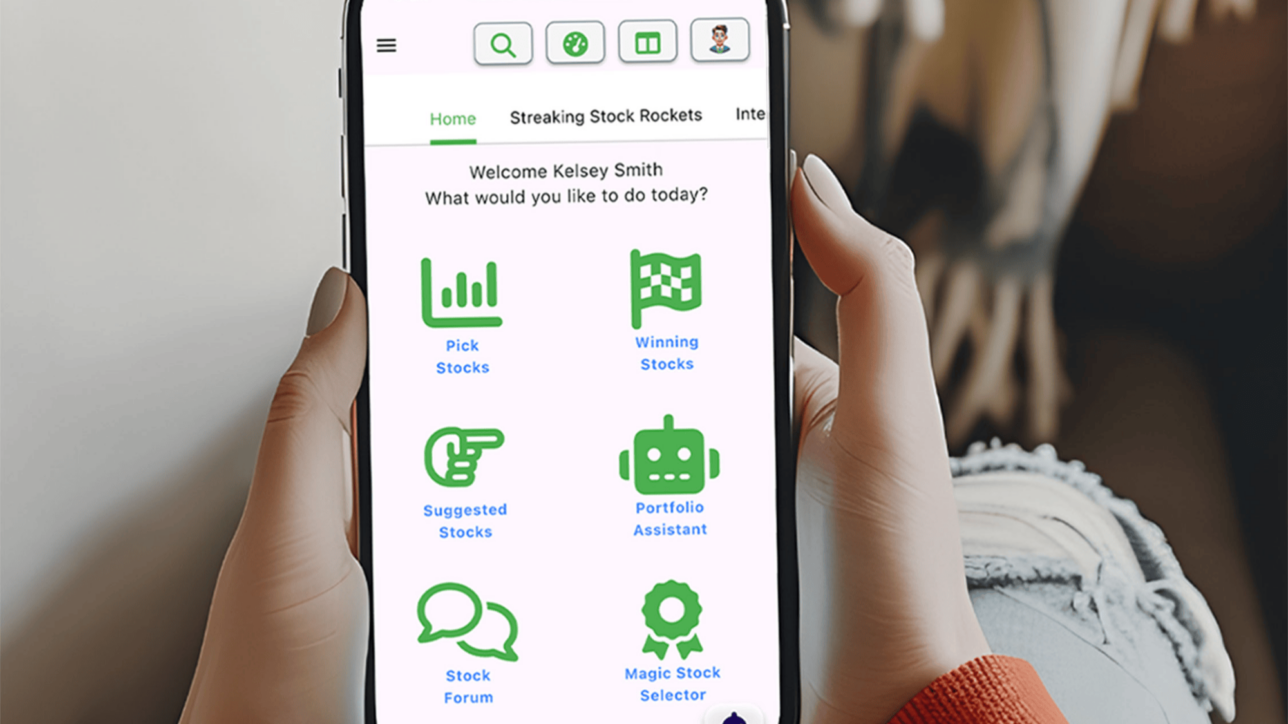
Sterling Stock Picker was designed to help regular people make informed investment decisions without getting lost in confusing charts or financial jargon. The app starts by learning about your goals and risk tolerance through a quick five-minute questionnaire. Then, it shows you stock picks tailored to your personal investment profile.

What makes this tool different from browsing Reddit threads or Googling “best stocks to buy“? The recommendations are calculated based on your input, with guidance from a built-in AI financial assistant named Finley. Ask it anything, from what P/E ratio means to which stocks align with your goals, and you’ll get a straightforward answer powered by OpenAI.

Once you’re up and running, you can check in on your portfolio, explore detailed stock analyses, or let the AI walk you through the next steps. For those who want more than just hot tips, Sterling also offers educational insights and community features to help you level up over time.

Right now, a Sterling Stock Picker lifetime subscription is $68.99. That’s a fraction of what you’d pay for a single session with a human advisor.

Sterling Stock Picker: Lifetime Subscription – $68.99

See Deal

StackSocial prices subject to change.

[ad_2]

Source link

Why Many Business Owners are Finally Moving on From Microsoft 365

[ad_1]

Disclosure: Our goal is to feature products and services that we think you’ll find interesting and useful. If you purchase them, Entrepreneur may get a small share of the revenue from the sale from our commerce partners.

The trend of modern software requiring a constant paid subscription has hit businesses hard. When you need apps like Word, Excel, and PowerPoint on every computer in your office, that usually means paying subscription fees across the board. It adds up, and you’re never done paying. The alternative is to make a larger investment on day one to avoid the constant cost later on.

Microsoft Office 2024 has a lifetime license with no recurring payments. It comes with many of the same apps as Microsoft 365, but you only have to pay $129.97 (reg. $149) one time for PC or Macs.

No more subscription fees

This license comes with lifetime access to

  • Word
  • Excel
  • PowerPoint
  • OneNote

The 2024 version adds some smart upgrades, too. There’s co-authoring built into Word, Excel, and PowerPoint, so teams can work together in real-time, even from different locations. It also uses AI to assist with tasks like writing, formatting, and data analysis. Think smart compose in Word, dynamic arrays in Excel, and captioned presentation recording in PowerPoint—all designed to help your team work faster and more efficiently.

Unlike Microsoft 365, this version doesn’t require a subscription or auto-renewal. It’s tied to your Microsoft account, not a physical device, so you’ll still get important updates and won’t need to worry about recurring charges. And since it works on both Macs and PCs, it’s flexible enough for any kind of office setup.

Why this deal is worth it

Software subscriptions aren’t a viable option for businesses that are trying to cut costs. Instead of paying monthly indefinitely, now you can get Microsoft Office 2024 and get many of the same apps for life with no recurring cost.

Get Microsoft Office 2024 Home for Mac or PC on sale for $129.97.

Microsoft Office 2024 Home for Mac or PC: One-Time Purchase – $129.97

See Deal

StackSocial prices subject to change.

[ad_2]

Source link