Kullanıcı verilerini koruma altına almak için en gelişmiş şifreleme sistemlerini kullanan bahsegel giriş, gizliliğe önem veren oyuncular için güvenli bir tercihtir.

Kullanıcılarına özel ödül ve geri ödeme programlarıyla bahsegel kazanç sağlar.

Kumarhane deneyimi arayanlar için bahsegel sayfası geniş fırsatlar sunuyor.

Slotlarda kullanılan semboller genellikle tema ile bağlantılıdır; pinco giriş bu görselleri kaliteli şekilde sunar.

Her zaman şeffaf politikalarıyla bilinen bettilt güvenilir bir bahis ortamı sağlar.

How Focus Sparked the Growth of this Fitness Racing Brand

[ad_1]

Opinions expressed by Entrepreneur contributors are their own.

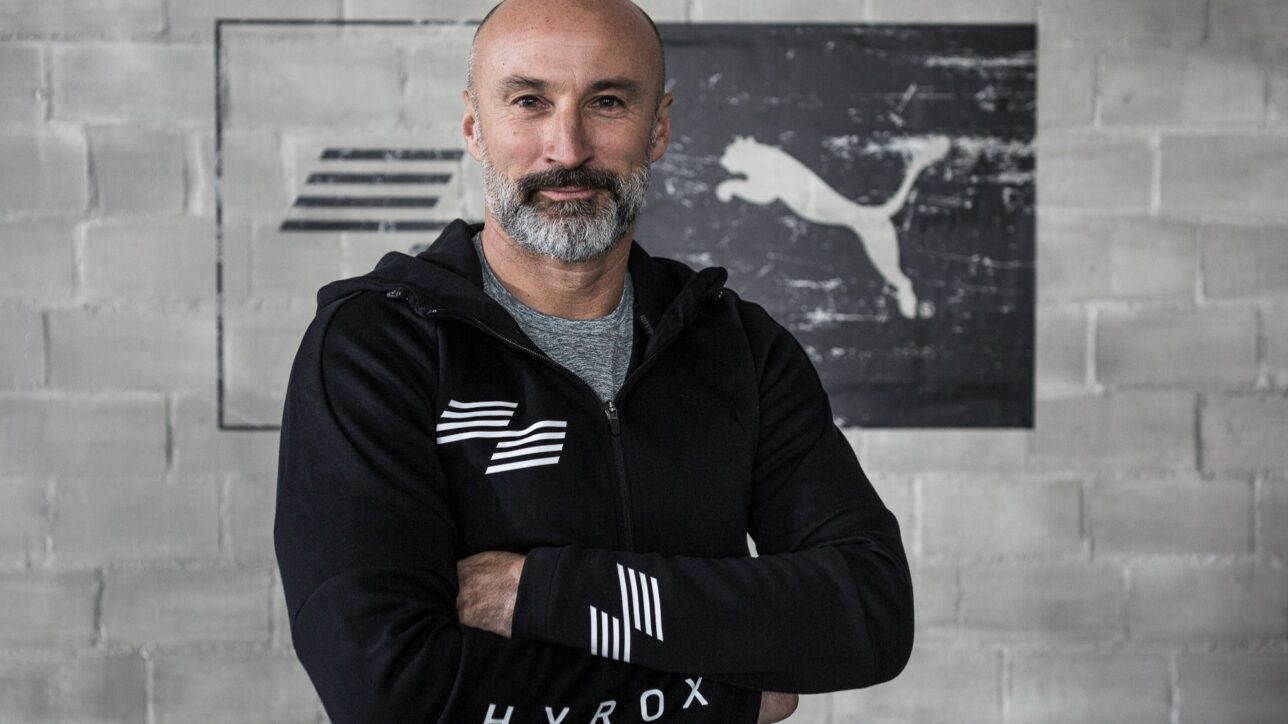
In business, everyone has an opinion. It can be easy for founders to get swayed by the latest trends, customer chatter, or investor pressure. However, for Christian Toetzke, founder and CEO of the global fitness racing craze HYROX, staying true to his original vision has been key to the company’s explosive growth.

“You have to be very convinced about your product and the DNA of a product. And you have to stick to the game plan,” he says.

Toetzke appears this week on an episode of One Day with Jon Bier to talk about the power of persistence, the importance of retaining company equity, and other lessons he’s learned since launching his brand in 2017.

Staying the course

By any metrics, HYROX is a success. Competitors run 1 km during the races, followed by one functional workout station, repeated eight times. In 2024, 260,000 people are expected to participate in 60 global events in 65 countries. Sponsors include Red Bull, Puma and Centr.

Still, Toetzke says he’s frequently asked to tinker with the formula.

“In the last five years, I don’t know how many people told me what we have to do.”

The number one request he gets is to change the workouts, which are always the same and include the farmer’s carry, rowing, SkiErg, wall balls, burpee broad jumps, sandbag lunges, and sled push and pull. But Toetzke says he’s studied the most successful sports in the world—marathons, triathlons, golf, tennis, Olympic sports—and notes they never change the fundamental rules of the competition.

Sports are “built around principles and rules and history and heritage,” he says.

Moreover, constantly changing the competition makes it impossible to compare the results of past competitors.

“In traditional sports, you have world records, and that’s one of the strongest marking tools in the world of sports,” he says. “If someone breaks a world record in a hundred-meter run, he’s immediately a global superstar.”

Related: How One Company Transformed a Medical Device into a Mass Market Phenomenon

Being reliable

By maintaining consistency, Toetzke has built a strong brand identity for HYROX. He wants to make it the “marathon of fitness” — a gold standard event that remains consistent across locations.

He admits they still have work to do on this front. As HYROX expands globally, he personally attends events worldwide to ensure they meet brand standards. “I see one million things they did differently in Melbourne and Mexico City. And that’s what we have to change.”

He wants HYROX to be a consistent, reliable experience for participants worldwide.

“To control the brand that is exploding globally, everyone has to follow the same game plan. Everyone has to follow the brand DNA. That’s a difficult task and not easy to do because with more and more people involved, everyone has own ideas how to do it.”

Related: 40 Entrepreneurs Share Their Secrets to Staying Focused

Innovating with constraints

This is not to say that HYROX isn’t in favor of innovation. Toetzke says that HYROX continually tries to evolve and improve without changing the fundamentals of the sport.

He uses the iPhone as an example. Since its inception, there have been 42 different models with different features, but the basic look has remained the same.

In that regard, Hyrox has made significant innovations in its technology, as well as practical innovations with its equipment. Recently, they introduced sensors so that counting during the wall ball competition is done digitally, taking the onus off the judges. Through their partnership with Centr, the Official Equipment Partner of HYROX, the competition kettlebells are now designed with a unique ‘octo’ shape to allow for better weight distribution and handling during the farmer’s carry.

Taking financial risk

In an era where many startups rush to secure venture capital, often at the cost of significant ownership dilution, Toetzke calls for a more measured approach.

“My biggest advice is if you really believe in your product, try to keep as many shares as possible as long as you can,” he says. “Don’t take the quick money; take the risk.”

He warns against being the “guy who drives the whole business, who’s running all the operations, while the investors are making all the money but do nothing for the business.”

Related: How to Fund Your Business With Venture Capital

Fostering community

Another factor in HYROX’s success has been its ability to build a strong, engaged community around the brand. Toetzke says that 60 to 80 percent of the HYROX community view fitness as integral to their social life.

“You’re not just going to a gym. It’s your group of people. It’s your community, and that is now happening in every gym around the world.”

Toetzke envisions gyms becoming modern-day clubhouses, similar to golf clubs, where members form strong social bonds.

You go together to a HYROX event where you compete together, and you represent your gym,” he says. “Suddenly it’s emotional, suddenly it’s become a community.”

[ad_2]

Source link

I Turned Down A Major Retailer Who Wanted to Carry My Product. Here’s Why Other CPG Founders Should Too

[ad_1]

Opinions expressed by Entrepreneur contributors are their own.

Founders often dream of being sold in Costco — but last year, when Costco offered to carry my beverage brand, O2 Hydration, I said no.

It was a gut-wrenching decision. I love Costco and would love to be carried in Costco, but also I knew a terrible truth: My brand just wasn’t ready yet. And if you go big before you’re ready, retail can kill you.

If you have a product that you want to sell on shelves, here are three things you absolutely need in place before saying yes to a retailer.

1. Understand Your Market and Prove Demand

Before scaling as a CPG founder, you need a deep understanding of your market and must prove demand for your product.

For my brand O2, we started our retail efforts in a single region with a single retailer, Whole Foods. We expanded to 10 Whole Foods within a year, and then we expanded to a full region. This approach allowed us to understand what worked, and then double down on that.

For example, we found that product samples drew customers in, and they were hooked once they heard our story. That’s awesome insight, but it means we had to scale accordingly. By running a slow ground game, we built a loyal customer base and secured more shelf space — and we did it store by store, and region by region.

2. Secure the Necessary Resources to Replicate

O2 was flying off shelves at Whole Foods, so we thought we were ready for prime time and agreed to launch nationally with Kroger, Publix, and Sprouts the following year.

That’s when we learned our first hard lesson about retail.

When we expanded across the country, the lack of geographic concentration diluted our efforts. We initially had success by focusing on the Midwest, where our team could actively support and promote our products. But when we went national, we couldn’t hire and train people fast enough to replicate what we were doing on a national level, and we were promptly discontinued.

Pro tip: Having a concentrated geographic focus allows you to manage and support your retail partners more effectively. It also helps in building brand recognition and customer loyalty in specific regions before expanding further. Without the right resources, you can’t support the increased demand and logistics that come with larger retail placements. This can lead to out-of-stocks, poor customer experience, and ultimately, being dropped by retailers.

3. Have the Conviction to Say “Not Yet”

When a retailer offers to carry your brand, it can feel like winning the lottery — and founders are often afraid to say no. They worry that it means closing a door.

That’s not the case. It’s perfectly appropriate to say, “Not yet.”

Retailers want brands that are set up for success, and they’re relying upon the brands to know if they’re ready. Brands must ensure that they have the necessary resources in place, in the right regions, before agreeing to retail expansion — and they also need to know what tools can get your product off the shelf.

For example: How often do you promote your product, and at what price? What off-shelf merchandising do you need to be successful, and how will you obtain it?

Retailers will not do this for you. You’re Odysseus and they’re the sirens. They see something working, and they want to push it out as fast and as wide as possible, and they’ll dangle a seductive six-to-seven figure PO in front of you to get what they want. They assume you know what’s working, have figured out how to scale it, and have secured the resources needed to do so. So if you say yes, you better know all of that!

If you don’t, then say “not yet.” The retailer will respect you for it. You just saved everyone a lot of heartache.

Retail expansion can be incredibly seductive, but it’s essential to ensure that you’re genuinely ready before taking the leap. By understanding your market, securing necessary resources, and building geographic concentration, you can set your brand up for sustainable success. Remember, saying no when you’re not ready can save your business and turn future opportunities into even bigger wins when you are.

Now you understand why I turned down Costco. I know my market well; my product sells great in many regions, and in specialty retailers nationwide. I’m building toward that national, mass-market ground game — and when I finally say yes to Costco, it’ll be because I’m confident I can make it a win for us both.

[ad_2]

Source link

Get MS Visual Studio Professional and a Learn to Code Bundle for Just $50

[ad_1]

Disclosure: Our goal is to feature products and services that we think you’ll find interesting and useful. If you purchase them, Entrepreneur may get a small share of the revenue from the sale from our commerce partners.

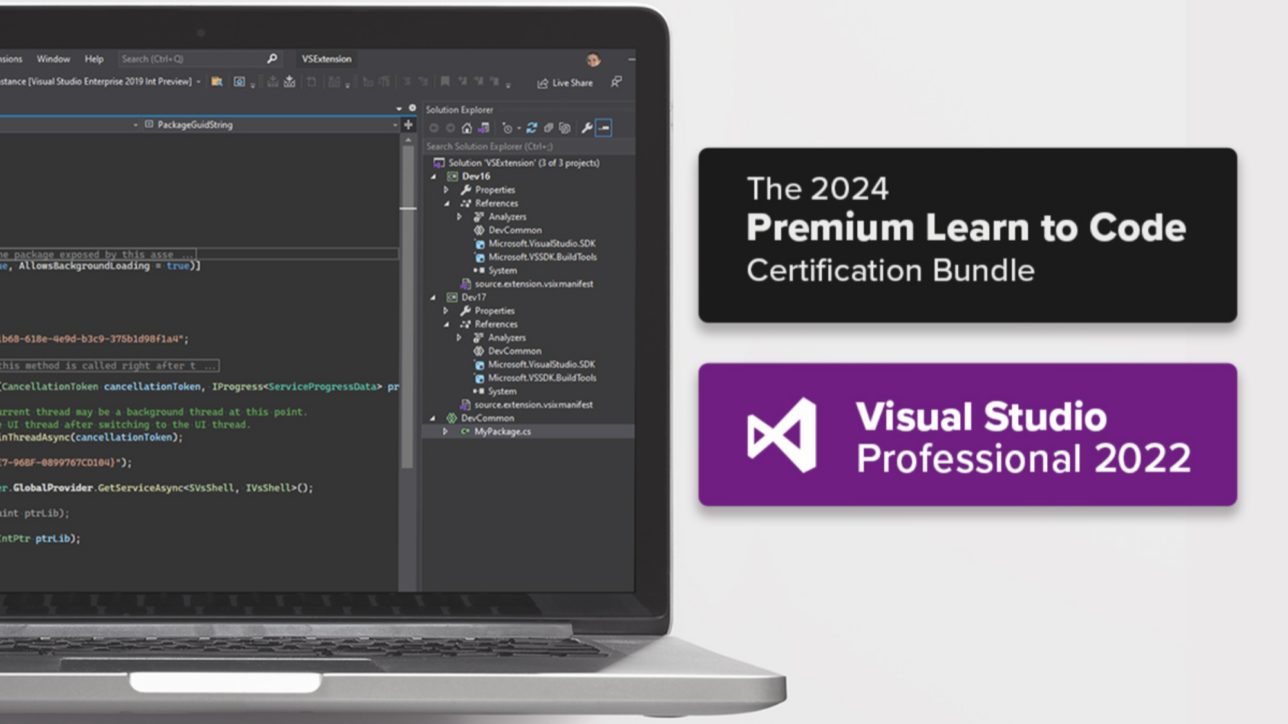
Staying ahead of the curve by managing expenses effectively is key to long-term success. The Microsoft Visual Studio Professional 2022 + The 2024 Premium Learn to Code Certification Bundle offers a unique opportunity to gain essential coding skills and powerful development tools for just $49.99 (reg. $1,999).

A small investment in this bundle can help you significantly enhance your technical capabilities. It can also help you save on costly hiring expenses and additional salaries.

The learning bundle includes a wide array of courses covering the latest programming languages and frameworks. Whether you’re a complete beginner or looking to expand your current knowledge, the 2024 Premium Learn to Code Certification Bundle offers something for everyone.

The courses are designed to provide practical, hands-on experience, ensuring you can apply what you learn directly to your business projects.

You’ll get access to all 15 courses for life to dig into whenever you have time, whether it’s downtime at the office or home in your PJs. Topics cover learning to code with Python 3, beginner’s C++, ChatGPT, Google Assistant automation, JavaScript, Salesforce, Ruby on Rails, and even coding for games and kids.

Microsoft Visual Studio Professional 2022 is an integrated development environment (IDE) that supports multiple programming languages and platforms. It has 5/5 stars on Microsoft Choice Software.

It comes equipped with advanced debugging, testing, and collaboration tools, making it easier to develop, test, and deploy applications efficiently. This powerful toolset enables you to create high-quality software solutions tailored to your business needs.

IntelliCode is a popular feature of Visual Studio. It can help you complete a line or block of code to save you time. CodeLens allows you to see important info regarding recent changes, tests, and history. It also offers real-time collaboration via Live Share.

This bundle offers real value for entrepreneurs looking to enhance their technical skills and reduce costs.

Get Microsoft Visual Studio Professional 2022 + The 2024 Premium Learn to Code Certification Bundle for just $49.99 (reg. $1,999).

StackSocial prices subject to change.

[ad_2]

Source link

AI Marketing vs. Human Expertise: Who Wins the Battle and Who Wins the War?

[ad_1]

Opinions expressed by Entrepreneur contributors are their own.

Uncover the truth about AI in marketing and why it’s a ticking time bomb for unprepared businesses! As AI revolutionizes the marketing landscape, understanding its long-term impact is crucial.

In this video, I dive deep into the reality of AI marketing, exposing the myths and revealing strategies to stay ahead of the curve. Learn why AI might play in your favor for the next 3 years, but could spell trouble if you’re not prepared for what’s coming. Discover how to leverage AI tools effectively while developing a future-sighted approach that will keep you competitive in an AI-driven world.

Download the free ‘AI Success Kit‘ (limited time only). And you’ll also get a free chapter from Ben’s brand new book, The Wolf is at The Door – How to Survive and Thrive in an AI-Driven World.’

[ad_2]

Source link

5 Financial Blind Spots That Could Be Preventing You From Making More Money

[ad_1]

Opinions expressed by Entrepreneur contributors are their own.

Money can often be the barrier between being stuck where you are or breaking through to the next level. This includes having or not having a budget, using it properly, hidden revenue or even misaligned goals — all of which influence your growth trajectory. These four common secrets have helped my company elevate our clients to the next level.

1. Financial transparency for ROI

The first blindspot we often notice with new clients is not having a clear reporting connection between your tools, like ads and a CRM like HubSpot, to see which channels drive the most significant return on investment (ROI). Do you know your best-performing channels? Or your best-performing piece of sales copy? What is the most opened document that leads to a closed deal?

And we’re not just talking about marketing and sales; this applies to many connected platforms — for example, the closed-loop revenue or your ERP systems. When things are not connected, they are disjointed and siloed. You end up flying blind. Without connecting your marketing tools with your revenue tools, and with that being CRMs, finance platforms, or ERPs, to name a few, there is a disconnect, and the arms and legs end up moving in different directions.

Here’s a simple example we see all the time: If you knew that one channel drove more deals by a 75% faster conversion rate, wouldn’t you invest more time and energy in that channel than one that only had a conversion rate of 10%? Many people don’t want to share the revenue numbers within the company, but all of that information informs the other departments; without sharing these revenue numbers, your money secret is keeping it in hidden silos.

Related: I Hit $100 Million in Annual Revenue by Being More Transparent — Here Are the 3 Strategies That Helped Me Succeed

2. Strategic investment for avoiding blind spots

Another financial blindspot is not investing in marketing. We have had prospects come in with no budget and no internal marketing team, but we want to grow by 150% and spend a total of $1,000. I wish achieving growth like this was possible, but unfortunately, it’s not. The old adage that you get what you pay for, or it takes money to make money, speaks the truth. Your investment goals should match your growth goals. The amount of money invested should be measured not just by short-term, quick wins but also by looking at long-term investment to growth.

You would never measure an HR department strictly on the number of hires. However, looking at the whole picture of longevity amongst many other important KPIs, You would not use an HR department for a few months. It is something that is constant and needs care and attention. Marketing is no different — if you strictly only measure marketing by the number of leads, you are missing out on the full picture. Marketing helps push leads through nurture campaigns, creates automation, leads scoring, builds new campaigns and tests, supports sales enablement activities and many other components. A buying cycle is rarely a straight line to click and buy unless we’re discussing Amazon.

That said, everyone has budgets, margins and bumper lanes they need to stay in. I am by no means saying throw your budget to the wind, but your goal should match your budget. If you have modest growth goals, be realistic about the budget needed to get there. Set incremental micro goals but stay the course for long-term growth.

Related: You Won’t Have a Strong Budget Until You Follow These 5 Tips

3. Data-driven decisions to save money

Another money secret that costs companies is spending without the data to back it. We had a company inquire about a new website, a full blow-up, new navigation, new content, new page layouts, migration onto a new CMS, a new theme and the works. They said they had a $75,000 budget for the whole project. In theory, it sounds great, right? Willing to invest? Check. Has a budget? Check. Know what they want the end result to be? Check. But when we asked them the next question, they looked at us like we were crazy, “Do you have data that backs the changes you are looking to make?” Are you running a tool like Hotjar to see real user data behind how these proposed changes will impact your existing inquiries and the only source the sales team was currently using for leads?

The answer was no. When the heat map was overlaid, do you know what happened? Well, they were looking to build that new navigation out and replace the old one — nearly 90% of the traffic was going to two pages of their site directly from the navigation, both of which they had originally wanted to remove. In this case, it wasn’t just about having the money but also about making sure the decisions you make with the budget are informed by real data: user data, sales data, marketing data and more. The more informed you can be by closing the loop on your data, the better your end result will be.

Related: Want to Be Better at Decision Making? Here are 5 Steps to Better Data-Driven Business Decisions

4. Modern marketing channels to drive growth

What is likely costing you the most is using old-school channels without the ability to measure. Companies have spent the last decade on traditional marketing channels and are switching to digital. The company’s historical growth has relied on things like trade shows, print, postcards and online magazines. We ask what the ROI you have seen by each channel is, and rarely can they share a specific revenue number and say it is for brand awareness. Some of the budgets can be over 50 to 100 thousand dollars spent on these traditional methods, but there is no ROI attached, yet they continue them.

When the pandemic happened, we saw a massive influx in businesses shifting from once only boots on the ground to digital. The lockdown changed everything; there were no more trade shows, no more door knocking and no one picking up their mail or faxes daily. It made traditional selling channels challenging and obsolete and forced a new level of openness to try new ways to get the job done. In the example of running online magazine ads there are lots of ways to capture them, we can use UTM tracking, referral analysis or create a custom landing page for the offer and capture the leads directly. Without running them to a landing page or form, you rely only on the online publication for leads and analytics. We’ve had people show a list of just names, no emails to follow up with, or only show a random number of visitors to the page, not a single name. It’s important to know what they will provide for reporting and tracking when you publish or use traditional channels. The rule of thumb is to use connections and tools that leverage old-school methods into technology and not blindly spend on channels that cannot be measured.

Stop wasting time, energy and revenue on these blind spots. They have easy solutions, so you can avoid them and focus on growing your business!

[ad_2]

Source link

How Nvidia Pivoted From Graphics Card Maker to AI Chip Giant

[ad_1]

A decade ago, Nvidia was a major graphics card maker, vying with competitors like AMD and Intel for dominance. Now it’s an AI giant with 70% to 95% of the market share for AI chips, and the brains of OpenAI’s ChatGPT. It’s also the best-performing stock with the highest return in the past 25 years.

Why did Nvidia invest in AI chips over 10 years ago, ahead of the competition? CEO Jensen Huang and board member Mark Stevens, Nvidia’s two largest individual shareholders, talked to Sequoia Capital partner Roelof Botha to explain what Botha called “one of the most remarkable business pivots in history.”

Nvidia’s original product was 3D graphics cards for PC games, but company leaders noticed by the mid-2000s that the PC market was hitting a growth limit.

Related: Nvidia CEO Jensen Huang Turned Down a Merger Offer in the Company’s Early Days, According to Insiders. Here’s Why.

“We felt we were always gonna be boxed into the PC gaming market and always knocking heads with Intel if we didn’t develop a brand new market that nobody else was in,” Stevens explained.

Jensen Huang, co-founder and chief executive officer of Nvidia. Photographer: Lionel Ng/Bloomberg via Getty Images

That need for a new market intersected with a product Nvidia already had on hand: its graphics processor unit, or GPU, which could be used to power tasks outside of gaming. Researchers at universities across the world began exploring the graphics cards, eventually building advanced computers with them.

Related: Is It Too Late to Buy Nvidia? Former Morgan Stanley Strategist Says ‘Buy High, Sell Higher.’

Huang recalled meeting a quantum chemist in Taiwan who showed him a closet with a “giant array” of Nvidia’s GPUs on its shelves; house fans were rotating to keep the system cool.

“He said, ‘I built my own personal supercomputer.’ And he said to me that because of our work… he’s able to do his work in his lifetime,” Huang said.

Other researchers, like Meta AI chief Yann LeCun in New York, began reaching out to Nvidia about the computing power of its chips. Nvidia began considering the AI market when AI had yet to enter the mainstream and was a “zero billion dollar market” or a market that had yet to materialize.

“There was no guarantee that AI would ever really emerge because, keep in mind, AI had had many stops and starts over the last 40 years,” Stevens said. “I mean, AI has been around as a computer science concept for decades. But it had never really taken off as a huge market opportunity.”

Related: Nvidia Is ‘Slowly Becoming the IBM of the AI Era,’ According to the Leader of a $2 Billion AI Startup

Huang and other company leaders still believed in AI and decided to invest billions in the tech in the 2010s.

“This was a giant pivot for our company,” Huang said. “The company’s focus was steered away from its core business.”

Huang highlighted the extra cost, talent, and skills Nvidia had to account for with the pivot, as it affected the entire company. It took 10 to 15 years of effort, but that business decision led to Nvidia powering the AI revolution with an early ChatGPT partnership.

“Every CEO’s job is supposed to look around corners,” Huang said. “You want to be the person who believes the company can achieve more than the company believes it can.”

Related: How to Be a Billionaire By 25, According to a College Dropout Turned CEO Worth $1.6 Billion

[ad_2]

Source link

The Best Strategy to Stand Out in Today’s Competitive Market May Not Be What You Think

[ad_1]

Opinions expressed by Entrepreneur contributors are their own.

According to the U.S. Small Business Association, 99.9% of all U.S. firms are classified as small businesses. Of the more than 33 million small businesses, 27.1 million are solo ventures without staff. By 2027, an estimated 87.5 million freelancers will comprise 50.9% of the entire U.S. workforce. Meanwhile, Bank of America disclosed a 3.8% growth in customers receiving direct deposits from gig platforms in March 2024, exceeding the previous peak in 2022.

These figures indicate that more and more people are leaving traditional employment to pursue other income-generating means so they can live on their own terms with greater freedom. These are ordinary individuals making money out of their skills and passion in their own way. I call them the everyday entrepreneurs.

For those just starting out, you may wonder, “How do you compete in a market saturated with products and solutions to every imaginable problem? And how can you thrive and survive in such a highly competitive environment?”

My approach is to focus on a super niche and develop the required expertise to deeply understand and fulfill their specific needs. I built Fud, a social hustling community and app, to specifically help first-time hustlers and aspiring entrepreneurs achieve their dreams. Currently, around 80% of Fud users are newbies.

The problem is many successful entrepreneurs today highlight their achievements on social media without truthfully sharing their struggles to reach that level of success. This trend turns their content into mere entertainment, and without knowing their full story, can discourage, mislead or overwhelm beginners.

That’s why at Fud, we promote transparency and honesty. We recognize the challenges and hard work of everyday entrepreneurs in starting and managing a business. At the same time, we believe that with the proper mindset, strong support system and the right tools, reaching your goals is achievable.

Related: 3 Ways to Stand Out from Competitors

Less is more profitable

The key in standing out is to dedicate your efforts to a super niche while intentionally avoiding other niches. This may seem counterintuitive. You may think, “Isn’t it more profitable to attract every potential customer out there? Wouldn’t you catch more fish by casting a wider net?”

Well, not everyone will be interested in what you offer, and that’s perfectly fine. Your focus is to find the right market whose needs align with your brand or who share your values. By targeting this smaller segment, you can provide more personalized services, create a stronger emotional connection and better meet their expectations, driving their most profitable behaviors.

A study published in Harvard Business Review revealed that customers who are fully connected with a brand are 52% more valuable than those who are just highly satisfied. Hence, building relationships, gaining the trust of a small community and aligning with their motivations result in more engaged and more profitable customers than serving a general audience.

Start by choosing a small, specific segment of the market that really sparks your interest. It should be something you’re genuinely passionate about because that passion will keep you going, especially when things get tough.

For me, it’s celebrating everyday entrepreneurship. I have always been intrigued and inspired by people who come up with interesting and uncommon ways to make money and succeed at it. It doesn’t have to be a seven-figure business or a worldwide phenomenon. Mastering your craft and excelling at any hustle is enough to be recognized and be an inspiration to others.

Related: How to Stand Out With Confidence and Achieve Your Potential

Invest in yourself

To master your chosen niche, you need to learn the skills that matter, use tools that work and maximize your resources. Don’t worry if you’re not yet an expert or have limited funds. Your willingness to learn and grow will guide you on the right path.

Fortunately, the vast range of online content about various topics and in different forms make learning more accessible and affordable to the average person. You can now attend live workshops, enroll in online courses and join virtual communities to master new skills and monetize them right away. Having said that, you should also be capable of distinguishing credible information from misleading content to avoid scams.

Be a painkiller

Immerse yourself in your super niche to understand what their pain is and find a solution to it. I do this by engaging with the Fud community, personally interviewing young business owners, side hustlers and parent entrepreneurs.

No journey is exactly the same, but by listening to their experiences, I notice common patterns. They share similar problems, questions and concerns. Most of them would have wanted to have a mentor when they were starting out to show them the ropes, motivate and hold them accountable, which would have saved them precious time and resources.

With Fud, users gain access to no-frills step-by-step guides, tips and resources from mentors, experts and fellow hustlers within the community. It’s this exchange of knowledge and insights that fosters growth, support and collaboration within the group.

Related: 4 Simple Tips for Standing Out in the Crowded Startup World

Share your journey

As a beginner, you can choose to document your journey and share it with your audience in real-time. Posting your experience on social media and letting others know your struggles and how you overcame them can connect you more deeply with your super niche and inspire them to start their own journey.

It doesn’t matter if you’re into content creation, digital marketing, gig work, freelancing or starting your own business. Whatever you are going through, there is an audience who can relate to it and want to learn from you. Just make sure you are creating relevant and genuine content.

When you focus all your energy and resources on mastering your craft and understanding your super niche market, you eventually become the best at it. You become better at identifying and solving problems, anticipating potential challenges and communicating with your customers effectively. Hence, you offer distinct value and personalized service to your audience, becoming your sustainable competitive advantage.

[ad_2]

Source link

Nvidia Makes Up Half of Mark Stevens’ $8.8 Billion Net Worth

[ad_1]

What if you invested in Nvidia 30 years ago, before it went public, and held on?

Venture capitalist Mark Stevens is currently one of Nvidia’s top individual shareholders, second only to CEO Jensen Huang. He invested in the AI chipmaker in 1993 as a new partner at Sequoia Capital. Stevens has been on Nvidia’s board for most of the company’s history, serving from 1993 to 2006, and then again from 2008 to the present. Nvidia went public in 1999.

Related: Is It Too Late to Buy Nvidia? Former Morgan Stanley Strategist Says ‘Buy High, Sell Higher.’

“There’s at least three times I can think of where we almost lost the company,” Stevens told Bloomberg. “Jensen has his famous saying of, ‘We’re 30 days away from going out of business,’ which is almost laughable today, but in the ’90s it was the reality.”

No one anticipated Nvidia going from a $8 million or $9 million Series A to a $3 trillion market cap today, Stevens said.

According to a Friday Bloomberg report, the over four million Nvidia shares Stevens owns are now worth about $4.7 billion and comprise over half of his $8.8 billion fortune. The rest of his net worth comes from his 6% ownership stake in the Golden State Warriors and other investments made throughout his venture capital career.

Related: Nvidia CEO Jensen Huang Turned Down a Merger Offer in the Company’s Early Days, According to Insiders. Here’s Why.

Though the AI boom has propelled Nvidia stock to new heights, Stevens says that it wasn’t easy to hold on in the early days. The chip market was crowded with competitors, and it was expensive to keep the best Silicon Valley talent.

Mark Stevens looking through a 360-degree display. Photo by Al Seib/Los Angeles Times via Getty Images


Nvidia currently leads the AI chip market, with tech leaders like Microsoft and Google believed to be among its biggest customers. Those clients could one day be Nvidia’s competitors, joining other chipmakers like Intel and AMD.

Huang said in June that Nvidia’s strategy in response to rising competition was to make AI chips with the “lowest total cost of ownership.” Tens of thousands of Nvidia’s chips are the brains of OpenAI’s ChatGPT.

Huang has the largest individual stake in the company, with 3.8% or over 934 million shares. He cashed in on $169 million worth of shares in June. Other Nvidia executives and directors have sold shares worth more than $700 million since the start of the year.

Nvidia has seen over 3,000% stock growth in the past five years, which has made early investors wealthy. Some long-term employees are reportedly in “semi-retirement” based on stock grants alone.

Related: Elon Musk Praises Nvidia CEO Jensen Huang’s Leadership Style: ‘Absolutely the Right Attitude’

[ad_2]

Source link

4 Things I Wish I Knew Before Starting My Franchise Journey

[ad_1]

Opinions expressed by Entrepreneur contributors are their own.

As a former franchise owner and current franchise consultant, I am frequently asked about lessons learned both from personal experience and from working with more than 800 franchise candidates over the years.

Below I’ve included a few practical insights that offer actionable ways to help you on your franchise journey.

1. Key in on necessary general manager skills

Traditionally, as a general manager — or as I like to call it, the OEO (Only Executive Officer) — you are a jack of all trades. You’ll need to know upfront whether you (the franchise owner) plan to take on the role of general manager or if you are going to hire someone to run day-to-day operations.

Note: The necessary skills for a general manager vary depending on what type (location-based brand or service-based brand) of franchise you own.

Location-based brands:

When I was running a boutique fitness franchise, I discovered some important indicators that looked great on paper, but didn’t translate to sales.

As a fitness business, we attracted people who were great instructors and passionate about fitness. However, we soon discovered that this passion didn’t translate to sales. Additionally, after working with one general manager who had a great personality and worked hard, we discovered that he did not have a great deal of foresight. If nothing was wrong, he didn’t know how to plan or look ahead to develop future opportunities for success.

In turn, we had to define that the ideal general manager was someone who lived and breathed sales and had excellent marketing savvy, plus a passion for fitness. Defining these critical skills for success allowed us to hire more effectively. Generally, the operations for location-based brands are very checklisted, leaving the critical skill for your general manager as marketing and sales.

Service brands:

In general, service-based brands are more hands-on and are more likely to follow an owner-operator model. (As opposed to my location-based boutique fitness brand, consider a home-service brand like painting.)

In years past, these franchise owners would not only perform skilled labor and manage customer requests/ticketing, but also manage marketing and sales projects. Fortunately, about 5-10 years ago, advancements in technology streamlined service-based sales needs. Now, these owners have robust operations software that is structured for marketing, ticketing and sales. In turn, those brands have become more semi-absentee and managers don’t have to be sales and marketing geniuses.

Thus, for service-based brands, rather than worrying about getting customers, their necessary skills must center on the delivery/execution of services and managing employees.

Related: Which Franchise Model is Right For You? Here’s How to Choose.

2. Prioritize the right location

It seems obvious: Choose a location in a populated area. However, it’s not quite that simple. When I first started out, I failed to appreciate the importance of density for location.

The goal: You need a high density of your profile customers.

As a general rule of thumb: The more frequent the customer, the more convenient it needs to be to their home (the more density you need within a 10-minute driving radius.) If people are coming to you once a month or once every two months, they are going to be a little less sensitive to location.

As a franchisee, you have a major leg up in site selection because of the relationship with your franchisor. For example, your franchisor should have access to a demographic profile of their customer which includes household income, age ranges, etc. Beyond traditional demographics, many also use psychographics that indicate how people spend their money (lifestyle characteristics), what their flexibility may be (traveling empty nesters, for example) and some of their economic capabilities (Dual Income No Kids or “DINKS”).

Note: While some of these tools can be very sophisticated, it isn’t the only thing to consider. You need local real estate expertise and your own gut check. Don’t blindly rely on the franchisor — they should green-light it, but you need to triangulate.

Related: Thinking of Franchising Your Business? This Franchise Consultant Shares His Most Essential Advice After 20 Years in the Industry

3. Invest in effective tools

It’s important to invest in tools that will give you the best bang for your buck. For example, in my fitness franchise, we invested in an inexpensive scheduling software that was highly effective.

First, we defined three basic job roles: manager, shift leader and staff.

By cross-training, we ensured that a manager could perform their duties and the duties for a shift leader or a staff worker, a shift leader could perform their duties and those of a staff worker, and a staff worker could only perform within their defined role. Anyone above could work any role. If anyone had to miss a shift, they could offer their shift to anyone trained in their role and it automatically made it available for another person to take.

This tool saved us time and managerial headaches while empowering our employees to determine their schedules. Take the time to research effective tools for your brand — you’ll thank yourself later.

4. Ensure you have enough working capital

At the end of the day, you are running a business and must have enough startup capital.

One major cause of failure in young franchises isn’t that franchise owners don’t have a good business, but that they may be undercapitalized and don’t allow for enough margin for error. Maybe a pandemic hits, maybe their general manager quits, etc. People tend to underestimate the value of having “extra” capital.

Item 7 of FDD (Franchise Disclosure Document) outlines the “Estimated Initial Investment” that a new franchisee will be required to have before getting started. This document will have a breakdown showing a low column and a high column (ex: vehicles, equipment, etc). The law requires a minimum of 90 days liquid capital.

Related: Is Franchise Ownership Your Next Wealth Move? Here’s How It Compares to Four Other Income Streams

The reality is that few new businesses will be cash-flowing (earning money) in 90 days — even though that’s the requirement, it’s not realistic. Make sure that you are giving yourself a little more wiggle room than you think you’ll actually need.

There is no way to side-step all the obstacles that come with franchise ownership, but it’s important to learn from people who have experience in franchising before diving in.

[ad_2]

Source link

4 Takeaways For Franchising From the RNC

[ad_1]

Opinions expressed by Entrepreneur contributors are their own.

Kicking off hours after an assassination attempt on a presidential candidate, the Republican National Convention took on heightened significance this year. In my role as President and CEO of the International Franchise Association (IFA), I traveled to Milwaukee for a policy roundtable entitled “Franchising, the American Dream,” with U.S. Representative Kevin Hern (R-OK), who is the co-chair of the congressional franchise caucus, McDonald’s franchisee Jimmy Williams, and hotelier Jyoti Sarolia.

Matt Haller and Jyoti Sarolia Credit: Matt Haller

To be clear, IFA is non-partisan and does not take sides in presidential campaigns. We will be in Chicago for the Democratic National Convention in August, and we work with anyone from any party who champions our priorities and fights for our franchise small business owners. That’s also why we partnered with POLITICO and CNN with Milwaukee-based Batteries+. We created a brand activation at the POLITICO/CNN Grill, where over four days we gave away wireless battery chargers to over a thousand attendees, communicating the economic benefits of franchising to convention-goers, with a QR-code that linked to IFA’s Open for Opportunity campaign.

Related: Check out the 2024 Franchise 500 Ranking

Political conventions are always exciting, and this year was no different, especially after COVID-19 curtailed the in-person festivities in 2020. The buzz and energy were palpable. In my conversations with various stakeholders from all walks of life, certain commonalities emerged. Here are four of them.

1. Unions and franchising are not incompatible

The fiery speech from Sean O’Brien, president of the International Brotherhood of Teamsters, got people’s attention. It marked the first time a teamster addressed the RNC in its 121-year history. The Wall Street Journal headline read, “Trump Courts the Union Vote.” The GOP is not used to speakers at their convention railing about “economic terrorism.” But as O’Brien pointed out, the Teamsters have supported Republican candidates before, including Presidents Richard Nixon, Ronald Reagan and George H.W. Bush.

For the franchise community, O’Brien’s presence served as a reminder that we have a compelling story to tell and we need to tell it.

First of all, our model provides nearly 9 million direct jobs, and not a single one is being outsourced overseas. Second, jobs in franchising pay up to 3.4 percent higher wages and provide higher rates of paid leave and other benefits than those at non-franchises, according to data from Oxford Economics. Third, franchises ARE small businesses, and that is the benefit of our business model.

Related: 7 Ways The Expanded Joint Employer Rule Would Hurt Franchises — And Your Wallet

While we are not going to agree with the Teamsters or other unions on much, one thing we do agree on is that policymakers should be focused on creating good jobs right here in America, and that’s what the franchising community is doing. Even when our brands open new franchises overseas, we are bringing money back ashore to the U.S. via the royalty stream paid to operate a U.S. brand abroad, creating a net-trade benefit to the U.S. economy.

We must push back on the idea that the franchise model and unions are incompatible. It’s false. We can and do have both. It is true that the union’s top policy agenda, the PRO Act and an expanded definition of joint employer, and franchising cannot co-exist, but unions are not inherently an opponent. It’s their history of policy priorities that would bring down franchising that we oppose.

2. Franchising is re-aligning party lines

Second, the traditional political and party lines are re-aligning, creating another golden opportunity to expand the franchise tent. For example, public polls have shown former President Donald Trump receiving as high as 30 percent of the Black vote — nearly three times higher than the 12 percent he earned in 2020.

Here again, franchising has an important role to play. Franchising has higher rates of business ownership among women, veterans and minorities. In fact, more than one-quarter (26 percent) of franchises are owned by people of color, compared to 17 percent of non-franchised businesses.

Paul Calkins (IFA), House Speaker Mike Johnson and Matt Haller (IFA) Credit: Matt Haller

As Clement Troutman, an IFA member, U.S. Navy veteran, author, and Maryland-based Tropical Smoothie Cafe franchisee, wrote in a column for the Washington Times observing Juneteenth, “the last few years have been challenging for Black entrepreneurs. From challenges accessing capital to a disproportionate impact stemming from the pandemic, Black small business owners face major obstacles.”

Clement noted, “Franchising can help, but only if elected leaders do their part in creating the right business environment.” These are wise words and lessons that all candidates should take to heart if they want to expand their political base of supporters.

3. J.D. Vance has sided with franchising in the past

There was a lot of scrutiny on Senator J.D. Vance after his selection as the vice-presidential nominee, and nearly every conversation I had with members of Congress and others in Milwaukee centered around what to make of Senator Vance’s selection. In the event of a Trump victory, many view him as the natural GOP standard-bearer in 2028. Throughout his two years in the Senate, Vance has raised eyebrows by deviating from traditional Republican orthodoxy. For example, he has marched on union picket lines and famously praised Federal Trade Commission (FTC) Chair Lina Khan as “one of the few people in the Biden administration who I think is doing a pretty good job.” Yet when it came to franchise issues, particularly joint employer, Senator Vance sided with franchising. When the stakes were the highest during this spring’s repeal of the joint employer rule, Vance stood with us, and that is telling.

4. The next president will have a huge impact on franchising

Members of the franchise community — like all voters — are assessing their presidential choices through the prism of past policies. We have a sense of what a second Trump and Biden administration could look like by evaluating their previous time in office. Certainly, IFA is focused much more on economic and regulatory visions than we do on political ideology. What is the plan for job creators?

Related: Decoding the Massive Impact of the NLRB’s Joint Employer Rule

For example, the individual tax provisions in the Tax Cuts and Jobs Act (TCJA) are set to expire next year. The law significantly restructured numerous aspects of the federal tax system for small businesses, including reductions in individual and corporate tax rates, a new 20% deduction for income from pass-through businesses, 100% bonus depreciation for capital investments, and a new limitation on the deductibility of business interest. The GOP platform expressly calls for tax cuts and many Ways and Means Committee members who will write the next tax law, including Chairman Jason Smith of Missouri, Vern Buchanan of Florida, and Lloyd Smucker of Pennsylvania, have all highlighted the importance of ensuring pass-through businesses like most franchises are treated fairly in the next round of tax reform.

Beyond tax issues, the next president will choose their own FTC chair, who can in turn update the Franchise Rule, something that hasn’t happened since 2007 — the same year the first iPhone was introduced — and will make appointments to the NLRB, including the general counsel, who is arguably the most powerful position at that agency.

The stakes are high for franchisors and franchisees alike. We do not vote as a monolith or along strict party lines. But one thing is clear, the list of issues facing franchising is long, and the importance of having a seat at the table is more important than ever. Thanks to the support of so many IFA members, and what our brands, franchisees and suppliers do every day, I’m confident that whatever November brings, franchising will continue to thrive and IFA will be at the forefront fighting for the best interest of franchising.

[ad_2]

Source link